The purpose of the crossbreeding project is to broaden the breeding base of Pugs in Finland and to improve the health of the Pug as a breed in its current form. Brachycephalic, or short‑skulled, breeds – of which the Pug is one – have long been under scrutiny due to health problems caused by short muzzles and skull structure.
– The aim is to produce Pugs with longer muzzles, thereby improving the breed’s health, maintaining its vitality, and expanding the genetic diversity of the Pug as it is currently known. By crossbreeding with Retro Pugs, it is hoped that the brachycephalic traits of the Pug can be alleviated, problems caused by exaggerated eyes and overly large nose folds can be avoided, and the breed’s ability to regulate body temperature can be improved, says Chairperson Maiju Santanen of the Finnish Pug Clubs’ Breeding Committee.
She emphasizes that the goal is to preserve the Pug’s open character and temperament without altering it. The Pug is a popular companion dog, and for example, hunting instincts are not desired in the breed.
– It is wonderful that the Finnish Pug Club has taken such a goal‑oriented approach to developing its own breed. The clear vision created in the project regarding the direction in which the Pug is to be developed serves as an excellent guiding principle, praises Kaisa Gold, Head of Department at the Finnish Kennel Club.
The Finnish Kennel Club has been in contact about the project with the breed’s country of origin, UK’s The Royal Kennel Club, which has been pleased with the efforts to promote Pug health and is monitoring the crossbreeding project, Gold says.
Retro Pugs Are Mixed‑Breed Dogs
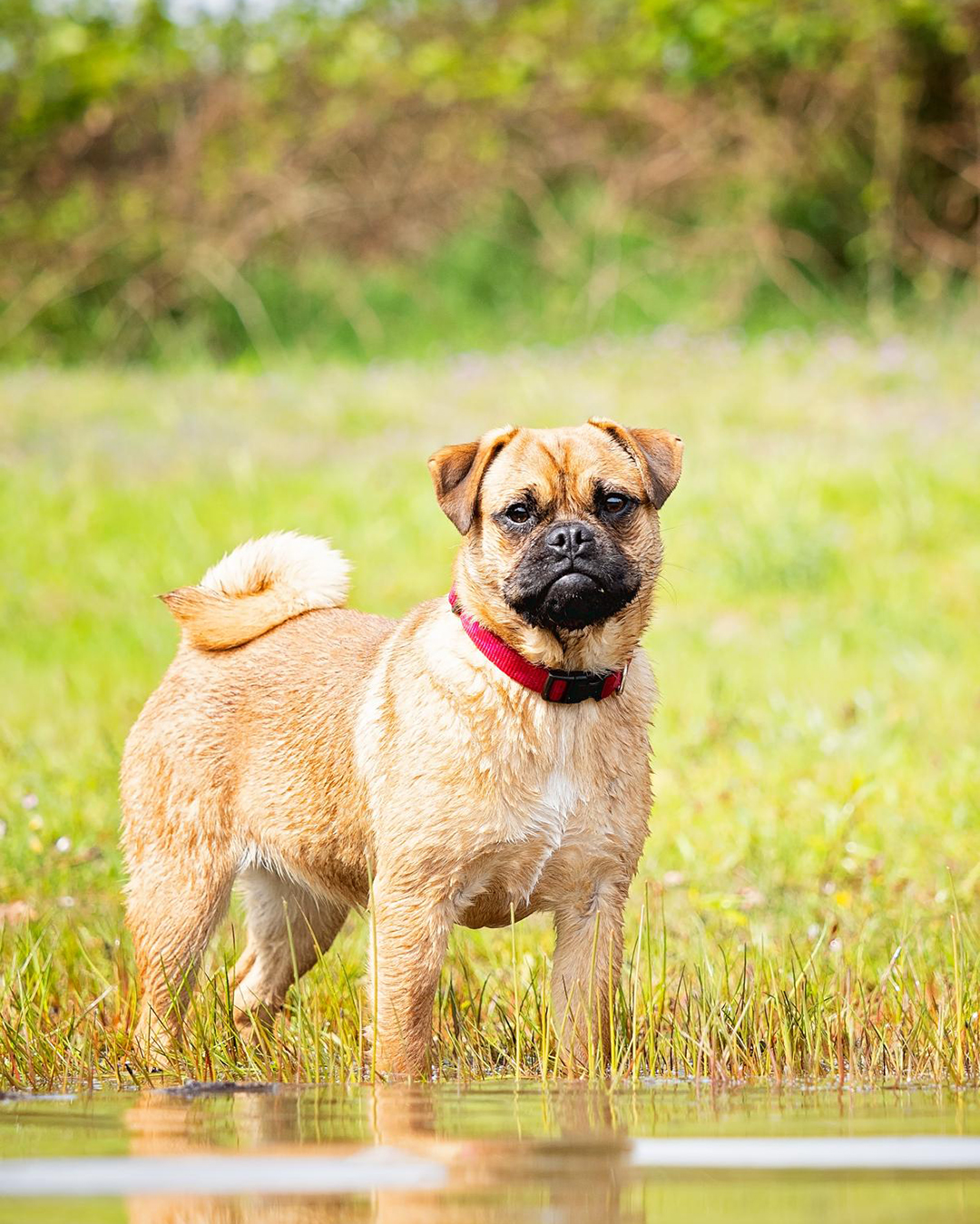
The Retro Pug is not a breed recognized by the Fédération Cynologique Internationale (FCI), but is considered a mixed‑breed dog. Germany has been a forerunner in the breeding of retro pugs. Retro Pugs have been registered, for example, in country‑specific health databases and in breed associations’ own registers. Retro Pugs have their own breed clubs in the Netherlands, Germany, and Sweden.
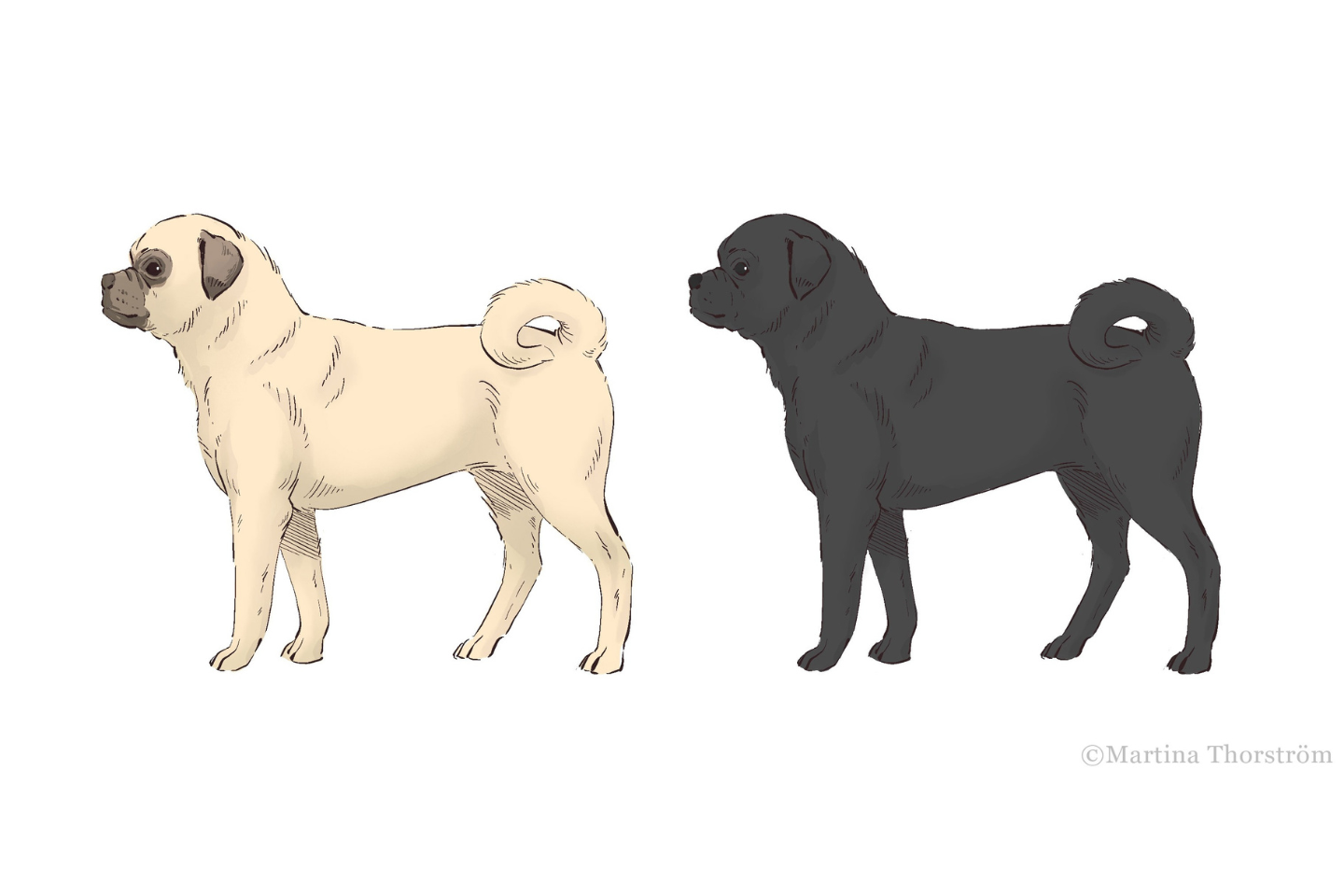
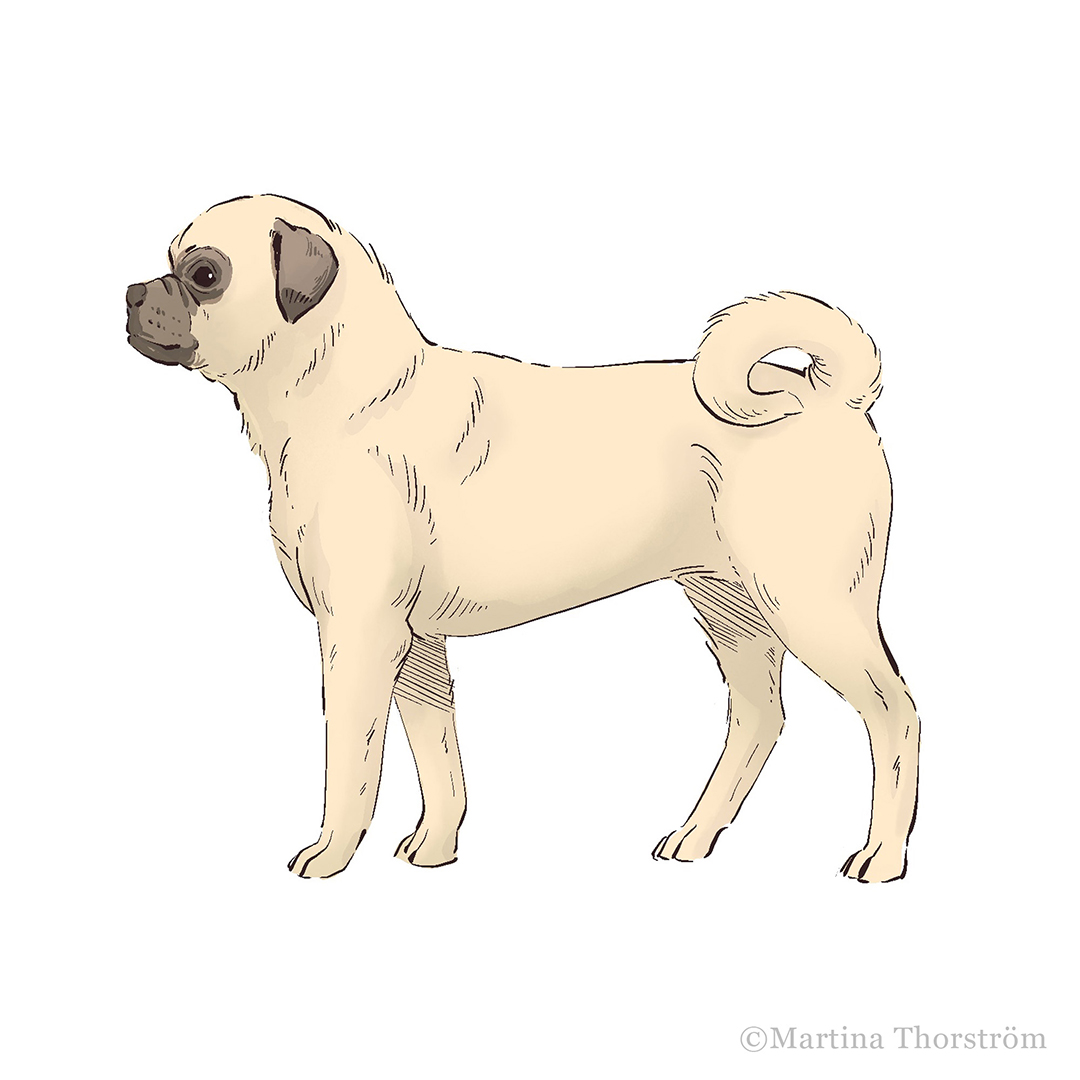
The Retro Pug has been deliberately bred to aim for better health and fewer extreme traits. Special attention has been paid to improving breathing, movement, and overall well‑being. The most visually distinctive difference compared to the modern Pug is the dog’s significantly longer muzzle.
Retro Pugs have been bred by crossbreeding Pugs with other breeds. In these crosses, breeds with characteristics that promote the breeding of a healthier pug have been used. The choice has often focused on breeds with very low levels of inbreeding. Breeds used in crossbreeding include the Beagle, Shiba Inu, Danish–Swedish Farmdog, Miniature Pinscher, and Jack Russell Terrier.
The Crossbreeding Project Will Be Closely Monitored
The crossbreeding project requires long‑term and close commitment from the breed club, the breeders involved in the project, and the owners of crossbred puppies, emphasizes Kaisa Gold.
Retro Pugs intended for inclusion in the breed will undergo a conformation breeding inspection, which also evaluates temperament. The dog must be recognizable as a Pug or resemble a Pug. The dog must meet the health testing requirements set out in the Programme for Combating Hereditary Defects and Diseases (PEVISA) and also comply with the health requirements of the breed-specific breeding strategy (JTO) for Pugs. A Retro Pug accepted into the breed must have a DNA identification approved by the Finnish Kennel Club.
It is desirable that a Retro Pug accepted into the breed is registered, for example, in a Retro Pug monitoring register. Retro Pugs accepted into the breed are registered in Finland in the Finnish Kennel Club’s crossbreeding register (FIRR).
When a Pug is bred with a Retro Pug, the offspring of this combination (the F2 generation) may be considered for further crossbreeding with a Retro Pug. In this way, the extreme traits of the traditionally known Pug and its genetic diversity can be developed more quickly in the desired direction. Further breeding is planned based on which traits need to be reduced, and which need to be strengthened. At the same time, it is ensured at the breed level that no lineage—including the crossbreeding lineage—becomes overly dominant in relation to others.
From the F2 generation onward, it is possible to apply for the transfer of offspring first to the Finnish Kennel Club’s breed dog register (ER), and later to the breed dog studbook register (FI), one offspring at a time.
For all F1–F4 offspring, it is recommended that health examinations in accordance with the Pug PEVISA and JTO programmes be carried out, as well as a conformation breeding inspection that includes an evaluation of the dog’s temperament.
Based on these assessments, the Finnish Pug Club will prepare a monitoring report on the project starting from the F1 generation, and on this basis possible further measures will be decided. The Finnish Kennel Club’s Scientific Breeding Committee will decide, in cooperation with the breed organization, on the implementation and continuation of the crossbreedings.
The goal is to ensure that the new traits obtained through crossbreeding can be utilized for the benefit of the entire breed, emphasizes Maiju Santanen.
Further Information
Kaisa Gold
Head of Department, Finnish Kennel Club
kaisa.gold@kennelliitto.fi
Tel. +358 50 081 2233
Maiju Santanen
Chairperson of the Breeding Committee, Finnish Pug Club
roturisteytys@suomenmopsikerho.fi