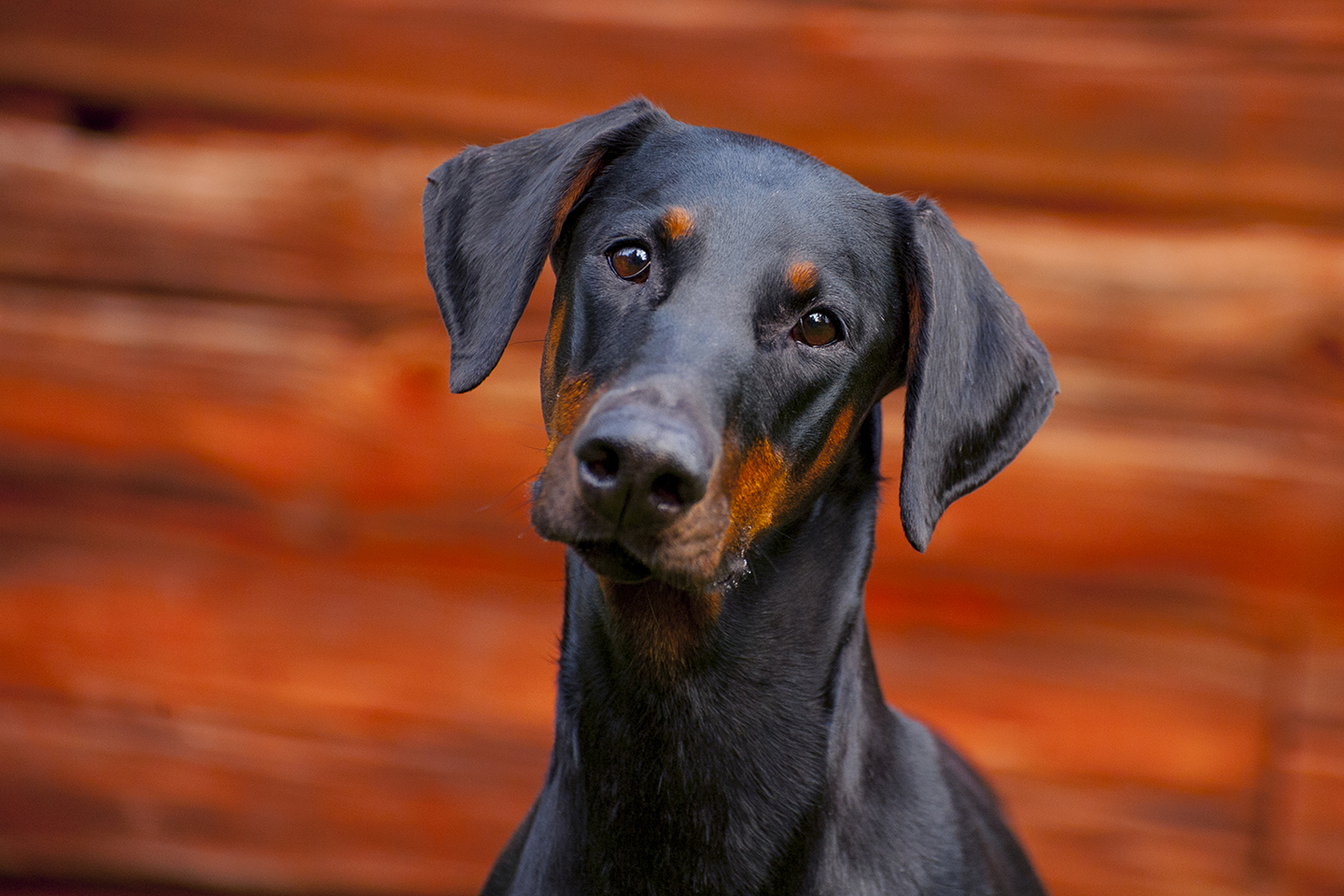
The Dobermann is an active and energetic breed that is also highly versatile as a hobby and working dog. The breed was originally developed as a utility and service dog in Germany in the late 19th century. It was founded from only a small number of individuals, and as a result, the breed’s gene pool is very narrow. At present, the breed’s greatest health challenge is dilated cardiomyopathy (DCM), a progressive degenerative disease of the heart muscle. In Dobermanns, the disease differs from cardiomyopathy seen in other breeds because of its more aggressive progression and poor response to treatment.
DCM is a polygenic disease, meaning that it is caused by several different genes. This is one of the reasons why eliminating the disease from the breed has proven extremely difficult. Even if dogs used for breeding are clinically healthy before being bred, they may still develop the disease later in life, typically at 5–7 years of age. The disease can be screened through cardiac ultrasound and ECG examinations. The Finnish Kennel Club began recording official cardiac ultrasound results for the breed in its breeding database in 2015, and at the same time introduced a requirement for cardiac ultrasound examination as part of the PEVISA programme, the breed-specific health screening programme for hereditary defects and diseases, for Dobermanns used in breeding.
Efforts to reduce the disease in the population are also complicated by the breed’s globally narrow gene pool. Dogs living on different continents are genetically so closely related that even on the scale of Finland, it is not possible to improve the breed’s health simply by using foreign dogs for breeding.
The purpose of the crossbreeding project is to introduce into the Dobermann breeds selected on health grounds, with a low risk of developing DCM or other heart-related diseases. The breeds chosen for the project are the Hovawart, Gordon Setter, Finnish Lapponian Herder and German Shorthaired Pointer.
The Finnish Dobermann Club is now preparing a more detailed plan for the crossbreeding project, according to which the project will move forward. The project requires long-term and close commitment from the breed club, the breeders involved, and the owners of the crossbred puppies.
The German Kennel Club VDH, the breed’s country of origin, has unanimously approved the project. They are following its progress and results with great interest.
Further information
Head of Department
Kaisa Gold
kaisa.gold@kennelliitto.fi
Chairman
Juha Rämö
The Finnish Dobermann Club
pj@sdy
Photo: Aino Pikkusaari